A malfunctioning furnace in the middle of winter is more than just an inconvenience-it can be a serious emergency. If your furnace suddenly stops working, don’t panic. There are several troubleshooting steps you can take before calling in the professionals. In this guide, we’ll walk you through the key steps to diagnose and possibly fix your heating system while ensuring your home stays safe and warm.
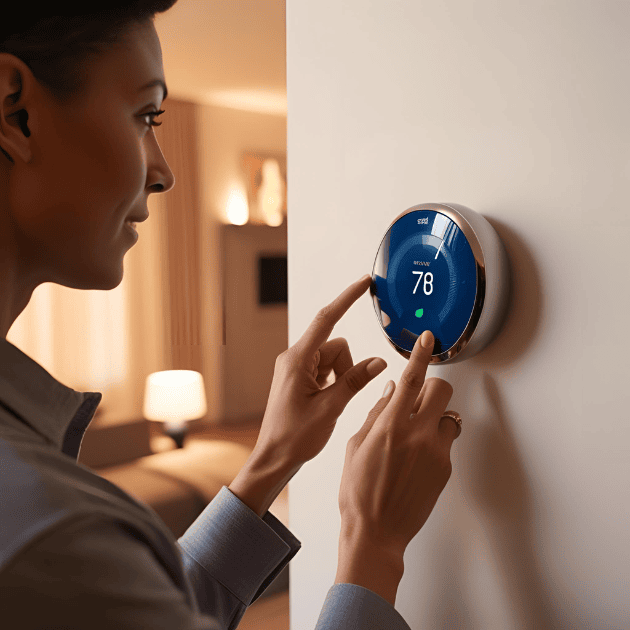
Step 1: Check Your Thermostat Settings
One of the most common reasons a furnace won’t turn on is an incorrect thermostat setting. Before assuming the worst, inspect your thermostat and ensure that:
- It is set to “heat” mode.
- The temperature is set higher than the current room temperature.
- The batteries (if applicable) are fresh and working properly.
- The thermostat display is functioning correctly.
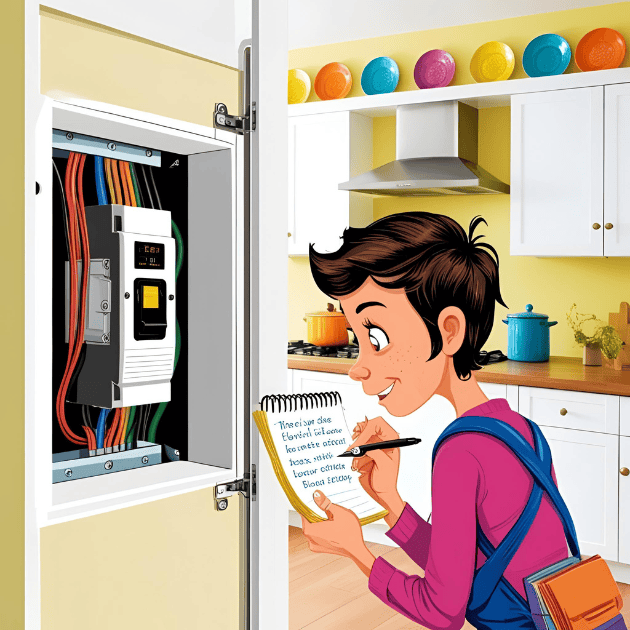
Step 2: Inspect Your Furnace Power Supply
Your furnace won’t run if it isn’t receiving power. Check the following:
- Circuit Breaker: Ensure the furnace breaker hasn’t tripped. Reset it if necessary.
- Power Switch: Some furnaces have a power switch near the unit that may have been accidentally turned off.
- Electrical Panel: If your furnace repeatedly trips the breaker, it could indicate an electrical issue requiring professional attention.
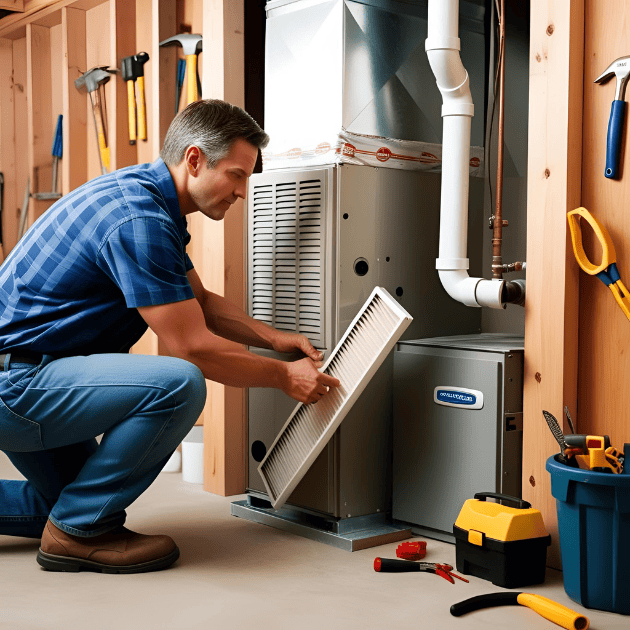
Step 3: Check Your Furnace Filter
A clogged air filter can restrict airflow and cause your furnace to shut down as a safety precaution. A dirty filter can also reduce efficiency and lead to costly repairs. Replace or clean your air filter if:
- It appears dirty or clogged with dust.
- You haven’t replaced it in the last 1-3 months.
- The airflow from vents feels weak or inconsistent.
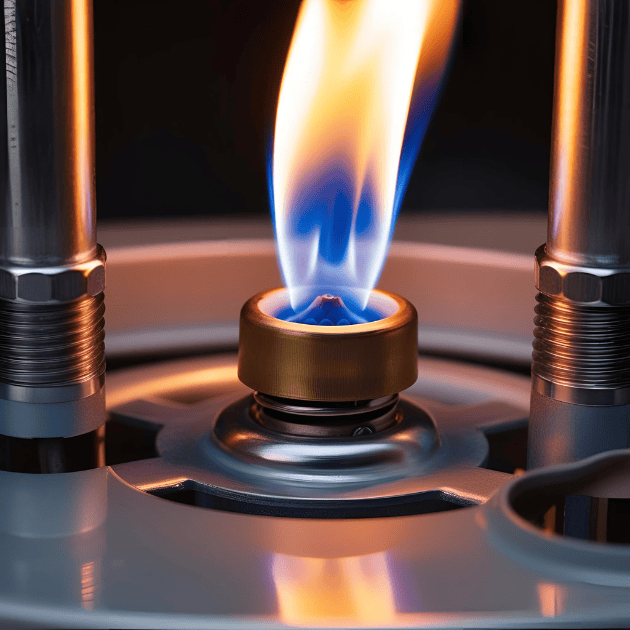
Step 4: Inspect the Pilot Light or Ignition System
If you have a gas furnace, the pilot light or electronic ignition system may be the source of the problem:
- For older pilot light systems: Check if the flame is out. If it is, follow the manufacturer’s instructions to relight it.
- For electronic ignition systems: A malfunctioning ignitor may prevent the furnace from turning on and may need professional repair.
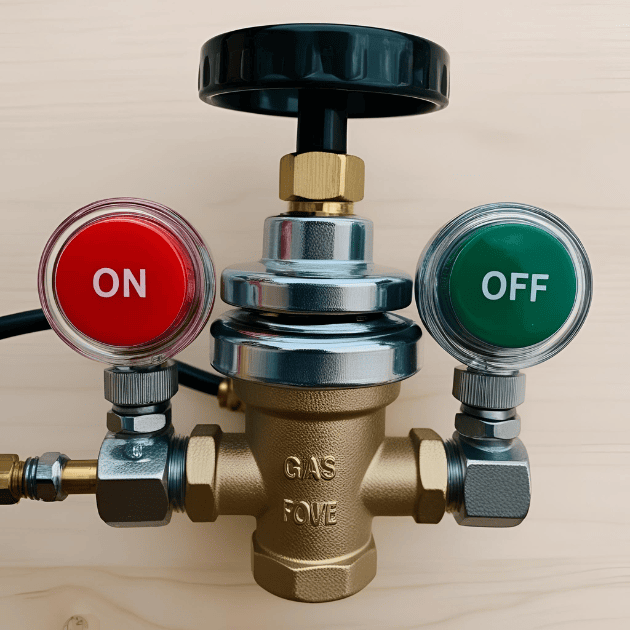
Step 5: Ensure the Gas Supply is On
If your furnace runs on natural gas, make sure the gas valve is fully open. If you suspect a gas leak (smell of rotten eggs or hissing sounds), turn off the gas supply immediately and evacuate your home before calling emergency services.
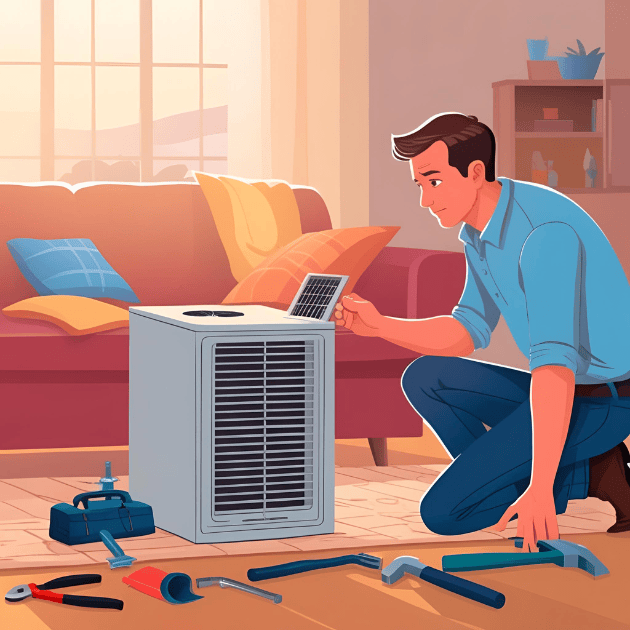
Step 6: Look for Blocked Vents or Ducts
Blocked air vents can lead to uneven heating or a complete system shutdown. Ensure that:
- All supply and return vents are open and unobstructed by furniture or debris.
- Ductwork is intact and not leaking.
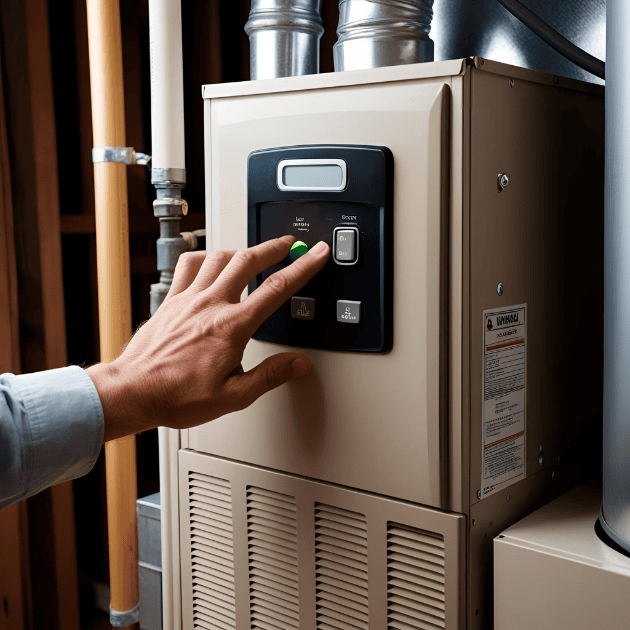
Step 7: Reset Your Furnace
If your furnace has safety sensors that have shut it down, performing a reset might restore operation. To reset your furnace:
- Turn off the power to the unit.
- Wait about 10-15 minutes.
- Turn the power back on and set your thermostat to heat.
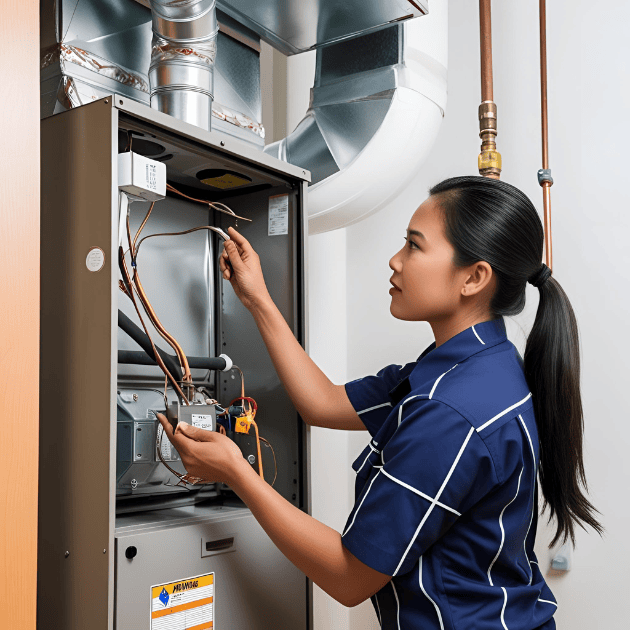
Step 8: Call for Professional HVAC Repair
If your furnace still isn’t working after following these steps, it’s time to call a professional HVAC technician. Issues such as a faulty blower motor, heat exchanger problems, or internal component failures require expert diagnosis and repair.
Preventative Maintenance Tips to Avoid Future Furnace Failures
The best way to prevent furnace emergencies is through regular maintenance. Consider these essential tips:
- Schedule annual winter heating maintenance before the cold season starts.
- Replace air filters regularly.
- Keep vents and ductwork clean and unobstructed.
- Upgrade to an energy-efficient HVAC system for better reliability and cost savings.
For 24/7 Emergency HVAC Service, Call Comfort Solutions!
If your furnace stops working and you need immediate assistance, Comfort Solutions is here to help. We offer 24/7 emergency HVAC service in Clackamas, OR, and surrounding areas.
Call us now: (503) 389-8189
Visit our website: comfortsolutionspdx.com
Serving: Portland, Clackamas, and nearby communities
By taking these steps, you can identify minor furnace issues and possibly restore heat to your home while ensuring safety and efficiency. However, when in doubt, always contact a professional to prevent further damage or safety risks.